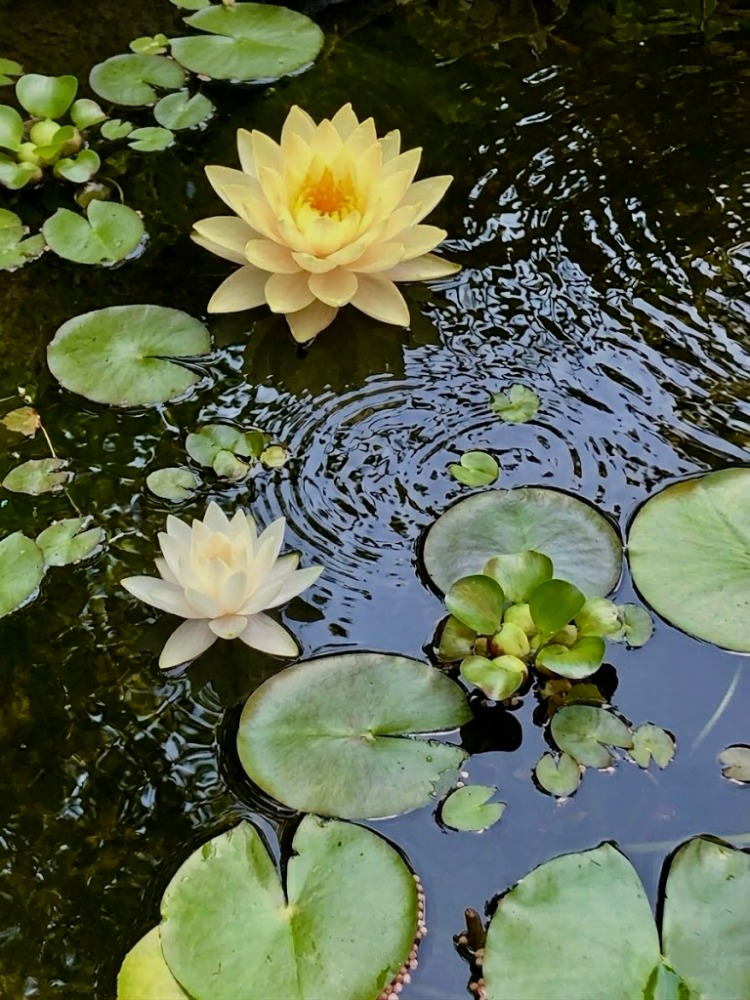
A lotus grows with its roots in mud. Not soil, mud. Stagnant, warm, often foul-smelling pond sediment. It draws its nutrients from this. And yet the flower it produces, when it breaks the water's surface, is unspeakably clean. Water beads off the petals and falls back into the pond. Dust does not adhere to them.
To put it another way: the lotus is evidence that where you come from does not determine what you become. The pond is not the flower. The flower is not diminished by the pond.
The pond is not the flower. The flower is not the pond.
Unstained, but not untouched
There is a subtle point about the lotus that is easy to miss. It is not clean because it avoided the mud. It is clean because of something about its surface, a nanostructure on every petal that refuses to hold water or dust. It grew up through the mud. It did not skip the mud. The mud is where it fed.
This distinction matters. The spiritual teaching is not about escape. It is about the kind of soul that can be immersed in a difficult world and still not be marked by it. Not because the world did not touch the soul, but because the soul was made in such a way that what touched it could not stick.
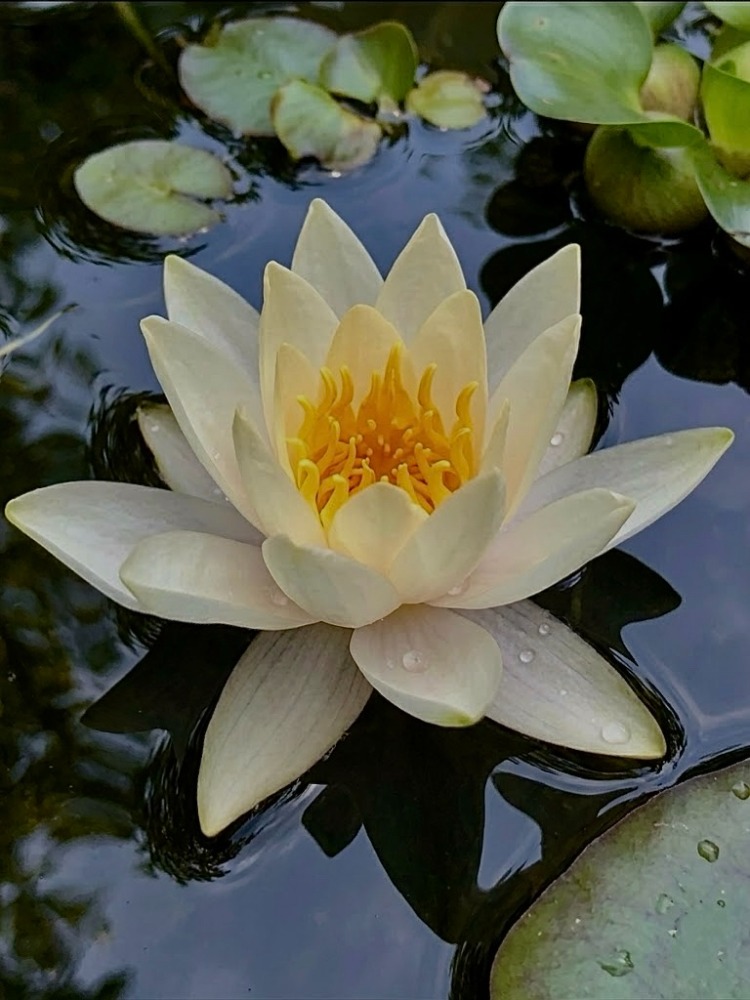
The flower that closes at night
One last thing. A lotus closes at night. At dusk, its petals fold; in the morning, they open again. The Sufis noted this. They saw in it a metaphor for the heart: there are seasons of opening and seasons of closing, and the closing is not failure. A closed lotus at night is still a lotus. The opening will come.